
Introduction
IPTV popularity will really just keep growing in 2026, mainly because more people feel like internet based television is way more convenient than classic cable or satellite, you know it makes sense for a lot of folks. Android TV is also one of the most chosen platforms for IPTV, in part because it feels flexible, it runs pretty smoothly and it basically opens the door to thousands of streaming applications. So, if you already have a smart TV with Android TV built in, or you’re using a streaming box like Chromecast with Google TV, or NVIDIA Shield, then adding an IPTV player is pretty straight forward now, well compared to older setups.
Still, people often mix up an IPTV player and an IPTV service, and no, they’re not the same at all. An IPTV player is basically the app itself, the software part that plays the content you get from an IPTV provider. It doesn’t come with channels or a subscription on its own, and once you have the player installed, the setup part gets way easier.
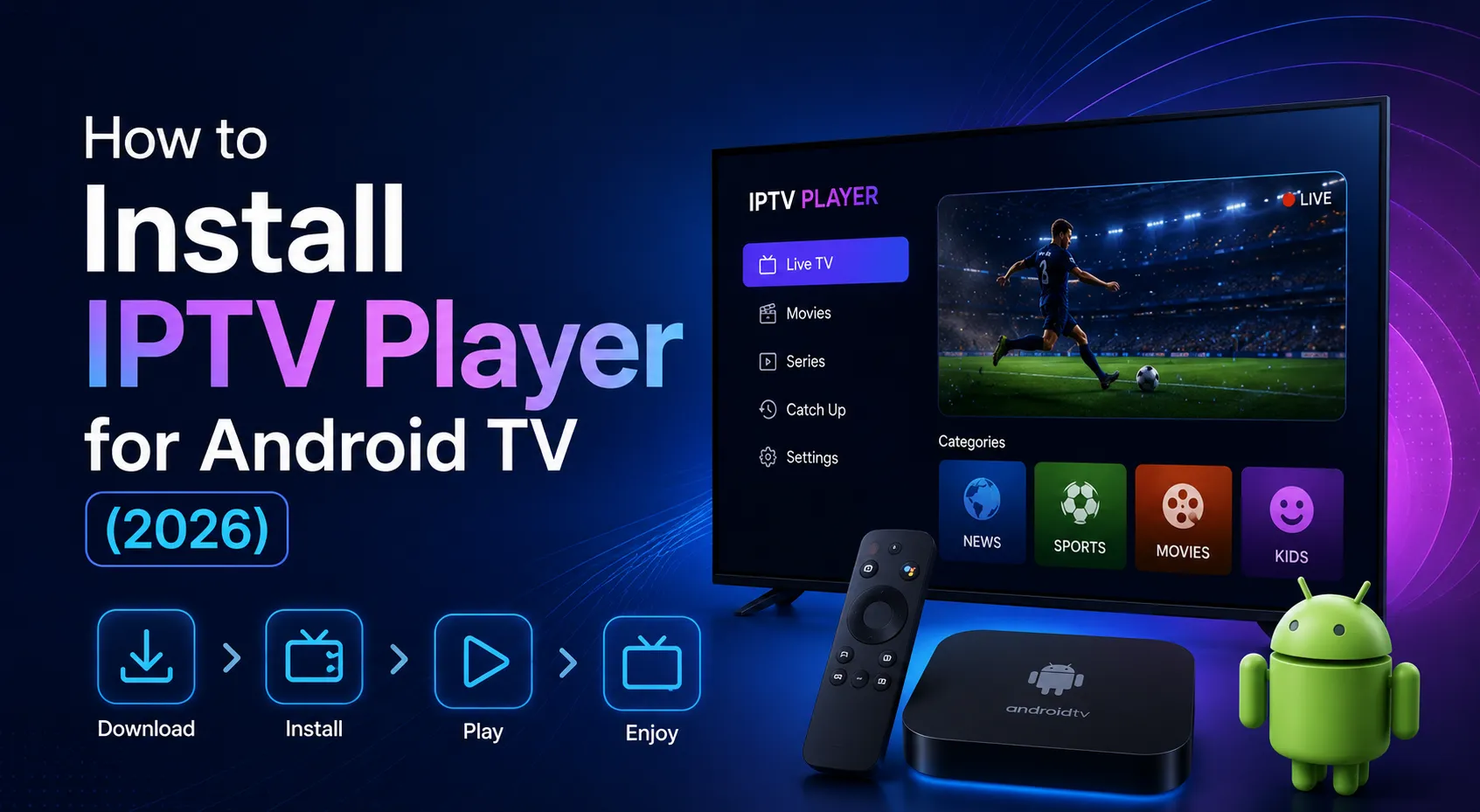
In this guide, you’ll see how to install an IPTV Player for Android TV in 2026, configure it properly, handle common problems, and generally improve that viewing vibe. We’ll also quickly touch on why businesses invest in White Label Streaming App, Custom Streaming App Development, OTT App Development, and Cross Platform Streaming App solutions, just to stay aligned with the rising demand for online entertainment.
Understanding IPTV Players
An IPTV player is an app made for streaming live TV, movies, and other television style content using your internet connection. Instead of saving media files locally on your device, the player typically reads playlist links, or portal info, that comes from your IPTV provider.
Most IPTV players support M3U playlists, Xtream Codes API, and electronic program guides; people usually shorten that to EPG. That’s what makes sorting shows easier, and finding content quicker, so you’re not stuck browsing like, forever.
Android TV fits IPTV pretty well too, because it supports stable playback, high definition streams, voice search, and remote control navigation that doesn’t feel clumsy, not really.
Why Android TV Is an Excellent Choice for IPTV
Android TV has a bunch of advantages that help IPTV streaming stay more stable. Versus some more closed ecosystems, Android TV supports a wide range of applications and it keeps getting updates that improve security, plus overall performance, not just random tweaks here and there.
The interface is built for televisions, so browsing through channels and media libraries often feels more natural, like the whole thing was made for the couch setup. Many IPTV players are optimized for Android TV, and they commonly bring features like catch up TV, recording style support, favorites lists, subtitles, parental controls, and management for multiple playlists, all that extra stuff people actually end up using.
There’s also compatibility with external storage devices, Bluetooth accessories, and voice assistants, so your experience can feel more personal, not like some generic TV menu.
Preparing Your Android TV Before Installation
Before you install an IPTV player, check a few basics first. Confirm your Android TV has a stable internet connection. If you’re streaming in high definition or even 4K, you need consistent bandwidth; otherwise, buffering can become a frequent issue.
Then update your Android TV to the latest available version. Devices running the newest software generally offer better security, improved compatibility, and smoother app performance, all of which contribute to a better streaming experience.
Also make sure your IPTV subscription is active and that you have received the playlist URL, Xtream Codes credentials, or portal access details from your IPTV provider.
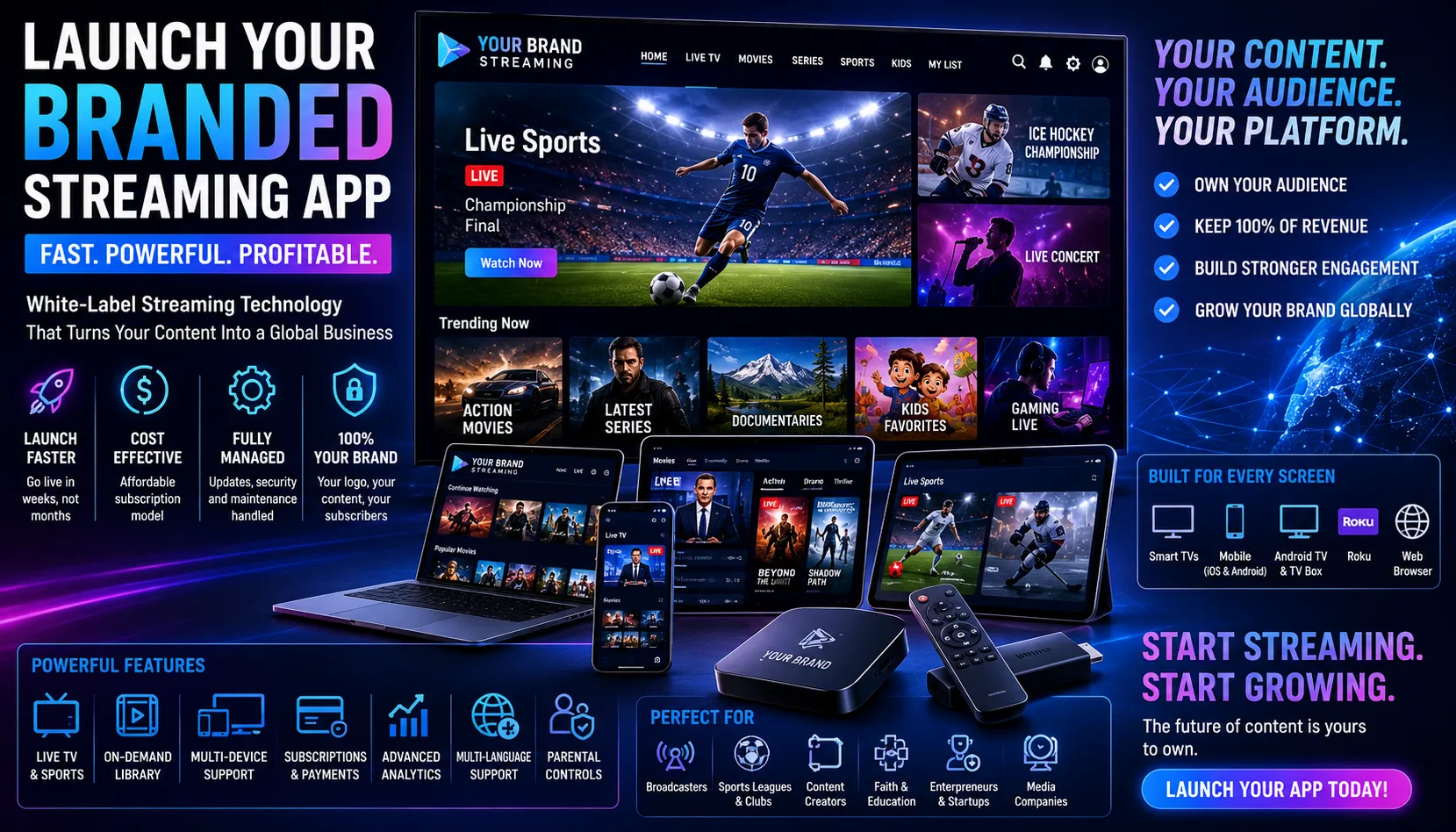
If you’re planning to launch your own streaming service instead of simply watching IPTV, choosing a reliable White Label Streaming App solution can help you get started quickly with professional features and branding. Platforms like PurpleSmart make it easier for businesses and content creators to build branded streaming applications without starting from scratch.
Finally, check that your Android TV has enough available storage. You’ll need space to install the IPTV player and additional storage for cached streaming data, which helps ensure smoother playback and better overall performance.
Installing an IPTV Player from the Google Play Store
The simplest and safest approach is installing an IPTV player from the Google Play Store.
First, turn on your Android TV, then open the Google Play Store from the home screen.
Use the search option and type the name of the IPTV player you want. You’ll see multiple IPTV player apps that are designed for Android TV, and many of them are built for remote control navigation.
After you pick an app, select Install, then wait for the download to finish. When it’s done, open the app from the Apps area, or just open it directly from the Play Store page.
Usually the installation only takes a few minutes, but it depends on your internet speed, and sometimes server load, like it slows down unexpectedly.
Setting Up Your IPTV Player
When you open the IPTV player for the first time, it usually asks you to set up your account. Depending on what your IPTV provider supports, you may be prompted for one of these items:
- M3U Playlist URL
- Xtream Codes Login
- Portal URL
- Username and Password
- Electronic Program Guide, EPG URL
Enter everything carefully, exactly like it was provided to you. Don’t guess or freestyle it, because even one tiny difference can break the connection.
Once the connection is done, the app typically downloads the channel list, categories, and the TV guide automatically. If your playlist is large, the first synchronization can take a few minutes, sometimes more, based on both your internet connection and the server speed.
Installing IPTV Players Using APK files
Sometimes the IPTV player you really want just isn’t showing up in your area through the Play Store. So then , a lot of people end up installing apps via APK files, and honestly… they’re kind of hoping for the best right then.
Before you even think about installing anything, you should flip on installation from trusted sources in your Android TV settings.
Also , confirm the APK is downloaded only from established developers or from the official website , not random corners of the internet. Because unofficial APKs can smuggle malware, or get quietly changed in strangely specific ways.
When the download finishes, open a file manager and locate the APK, then tap Run to install the player After that , go ahead and launch the app, then add your IPTV details the same way you normally would, no real big drama.
Improving IPTV Streaming Performance
A smooth IPTV stream depends on more than just the player itself
Your internet speed matters a lot for both stability and how crisp the picture looks. If you’re aiming for Full HD, a baseline around 25 Mbps is often suggested, while 4K usually requires even more headroom.
And when it’s possible, use an Ethernet cable instead of Wi‑Fi with your Android TV, since it tends to stay steady, less moody, you know.
A lot of IPTV players include a built in buffering control, so you can tweak performance based on what your connection can realistically handle If it starts lagging, clearing the app cache every so often can solve more things than you’d expect , actually
Security Tips for IPTV Users
Security really needs to stay near the top of the list whenever you install streaming apps.
Only download IPTV players from reputable developers , or just stick to official websites
Don’t enter your IPTV login details into unofficial apps that ask for permissions they don’t really need.
Keep your Android TV updated with the latest firmware, plus security patches too
Using strong passwords for IPTV accounts also reduces the risk of unauthorized logins
IPTV Trends in 2026
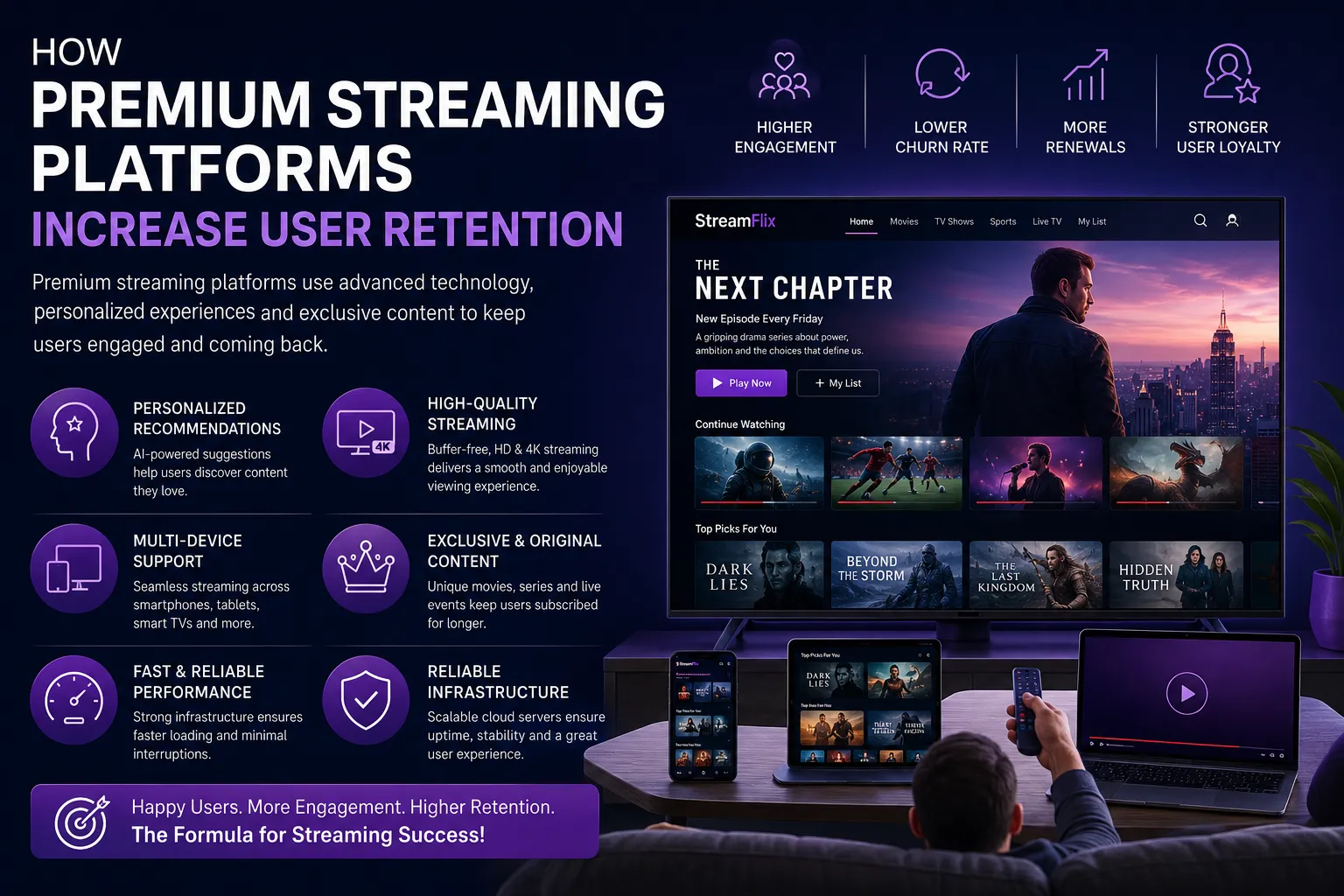
Artificial intelligence is now common enough to suggest content more personally, based on what you actually watch.
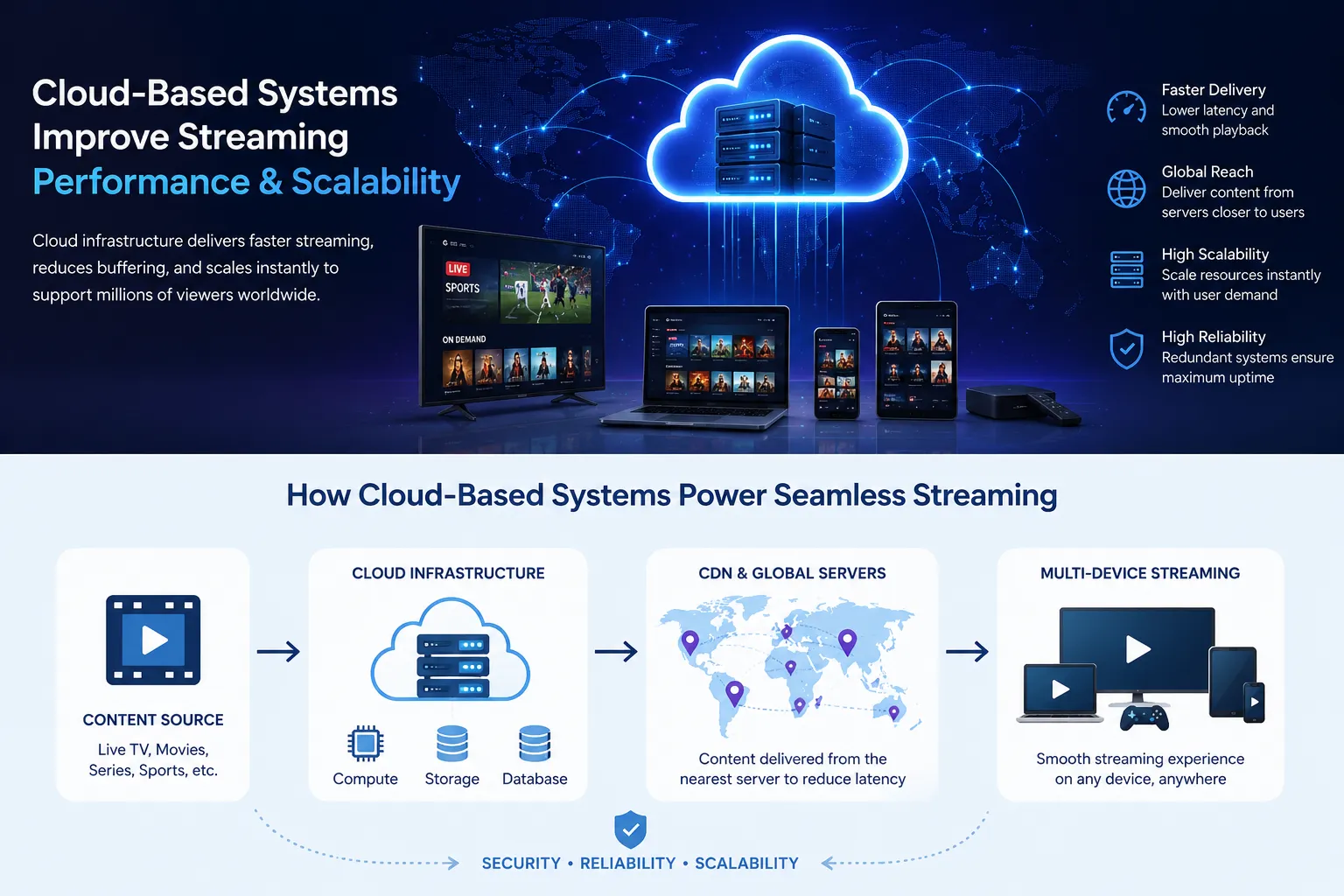
Cloud based infrastructure also supports faster streaming with lower delay, something people can usually notice pretty quickly.
Support for 4K, and in some cases 8K, keeps expanding as internet speeds keep rising across different regions.
Voice navigation is also getting more popular now. It makes channel searches easier, and it helps you open applications with simple voice prompts. Smart recommendation systems alongside cloud DVR features are becoming a kind of “default” thing on newer IPTV platforms.
Why Businesses Are Investing in Streaming Platforms
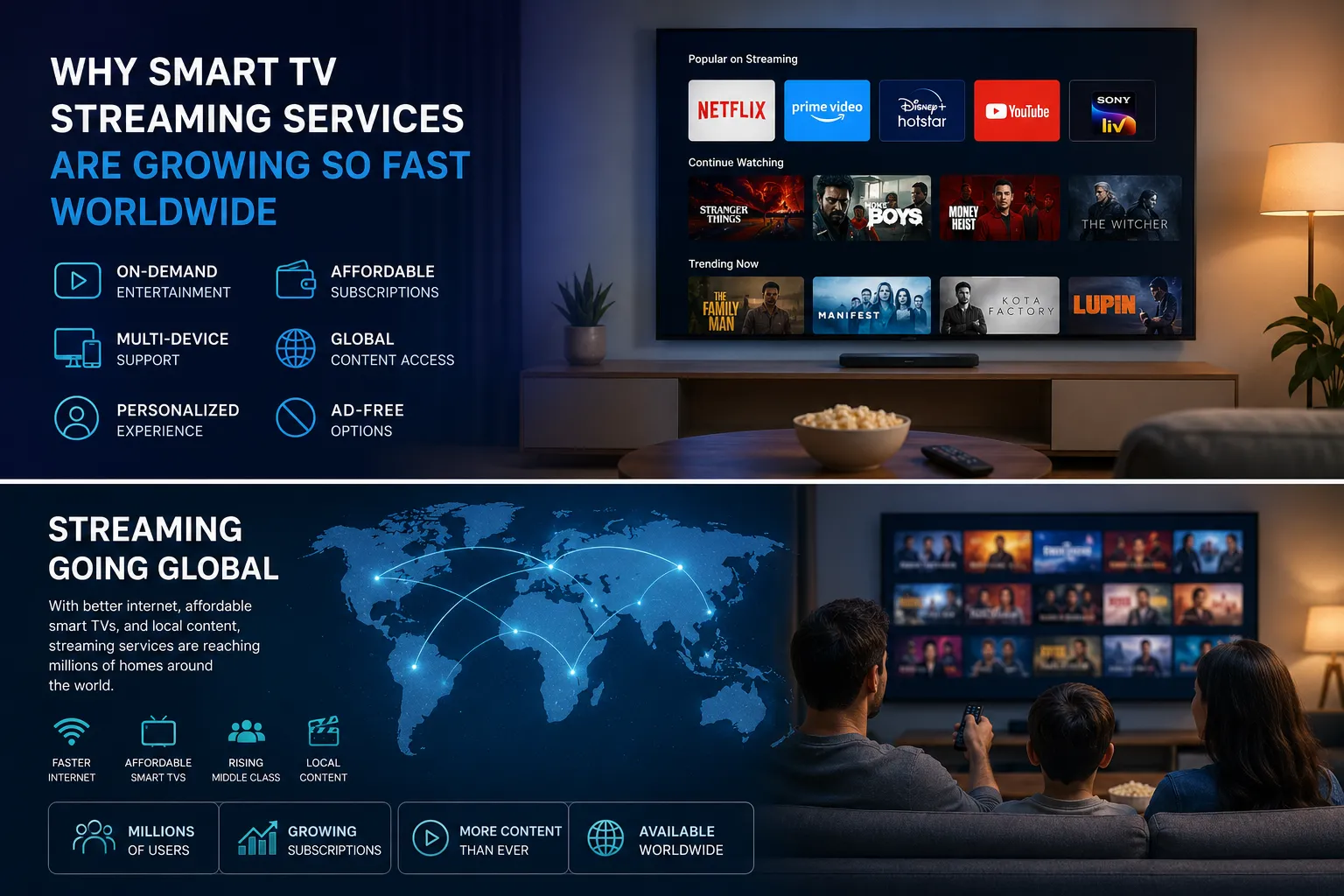
Since IPTV keeps getting more attention, more businesses are creating their own streaming services, instead of relying only on third party platforms.
A White Label Streaming App can help companies launch branded streaming experiences faster, often with less heavy development work.
Teams can adjust branding, color palettes, logos, and the user interface, without rebuilding everything from scratch.
If a business requires more specific capabilities, they might choose Custom Streaming App Development. With this approach, developers can shape tailored features, subscription models, recommendation engines, analytics dashboards, and content management tools that align with business goals.
Another fast growing direction is OTT App Development. OTT platforms stream movies, series, live events, learning materials, and sports directly over internet connections, without depending on traditional cable providers.
Organizations in entertainment, education, healthcare, and corporate training are increasingly investing in OTT solutions to reach wider audiences.
Modern viewers also expect smooth handoffs across multiple devices. That’s why Cross Platform Streaming App development became a major priority.
With a cross platform setup, someone can start on a smartphone, continue on a tablet, then finish on a smart TV without losing their place.
A consistent experience usually supports better customer satisfaction , and stronger subscriber retention.
Final Thoughts
Installing an IPTV player on Android TV in 2026 is pretty straightforward, and it gives you access to a flexible, modern way to enjoy entertainment.
Whether you install directly from the Google Play Store, or you go with an APK from a trusted source, the right setup helps with smoother playback and easier access to your favorite channels.
As IPTV keeps evolving, Android TV remains one of the stronger options for internet based television, mainly because it offers versatility, steady performance, and an expanding ecosystem of compatible applications.
By investing in a White Label Streaming App, Custom Streaming App Development, OTT App Development, or Cross Platform Streaming App, companies can deliver more engagement.
FAQs :
You can install an IPTV player by opening the Google Play Store on your Android TV, searching for a trusted IPTV player, selecting Install, and then launching the app. After installation, enter your playlist URL, Xtream Codes, or portal details provided by your IPTV service to start streaming.
Several IPTV players work well on Android TV, including IPTV Smarters Pro, TiviMate, and OTT Navigator. The best option depends on your preferred interface, supported features, and compatibility with your IPTV provider.
Yes. If your Android TV supports APK installation, you can sideload an IPTV player using a USB drive or a file manager. However, always download APK files from trusted sources to protect your device from security risks.
Buffering is usually caused by a slow internet connection, network congestion, server issues, or incorrect player settings. Using a stable Wi-Fi or Ethernet connection, updating your IPTV player, and lowering the streaming quality can often improve playback.
Yes. IPTV players themselves are completely legal because they simply play streaming content. The legality depends on whether your IPTV provider has the proper rights and licenses to distribute the content you are watching.
Yes. Businesses, broadcasters, and content creators can build their own branded IPTV or OTT application using White Label Streaming App, Custom Streaming App Development, OTT App Development, or Cross Platform Streaming App solutions.